
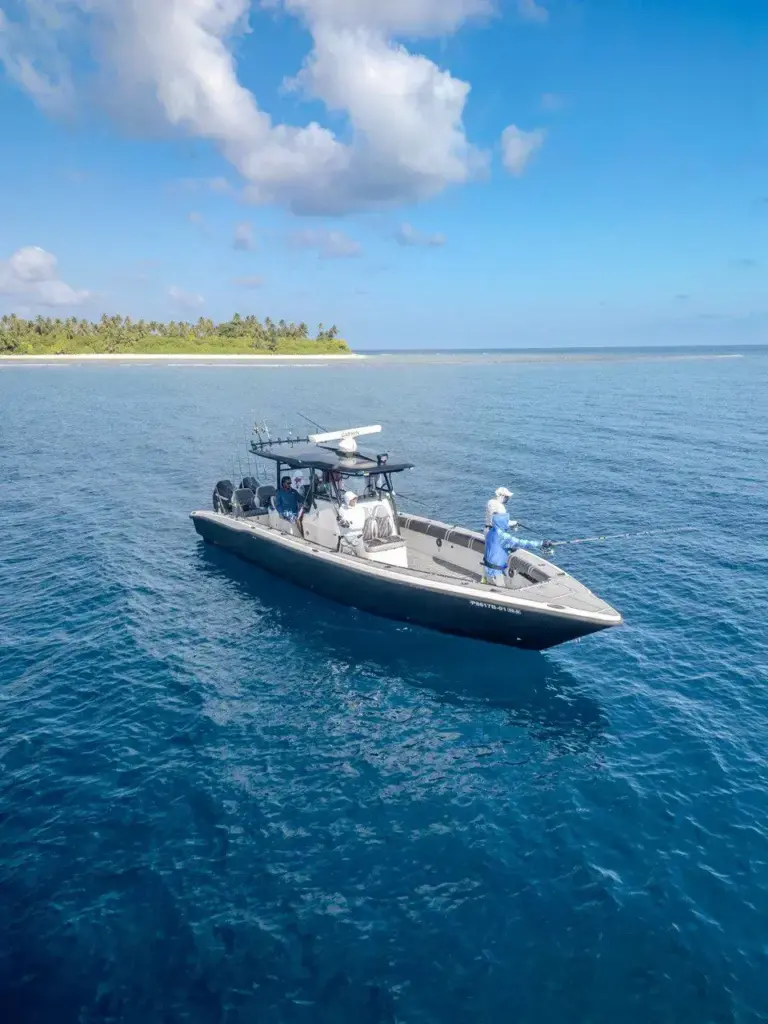
How to choose fishing Reel for Saltwater
Whether you’re casting off a rocky shoreline or trolling miles offshore, the reel you choose can make or break your fishing trip. Choosing the right saltwater fishing reel isn’t just about price or branding — it’s about matching your gear to your environment, target species, and fishing style.
1. What Makes a Reel Saltwater-Ready?
Saltwater environments are brutal. Salt is corrosive, sand gets into everything, and saltwater species hit harder than many freshwater ones.
- Anodized aluminum
- Marine-grade stainless steel
- Carbon fiber or composite frames
These reels also include sealed drag systems and bearings to keep water, salt, and debris out of internal components.
2. Types of Saltwater Reels
Spinning Reels (Inshore & Light Offshore)
Spinning reels are the most versatile and beginner-friendly option, perfect for long casts and lighter baits.
- Snook
- Redfish
- Flounder
- Spanish Mackerel
- Sealed drag system
- Rust-resistant bearings
- High-quality bail arm
- Sizes 2500–6000
Conventional (Baitcasting) Reels
These reels offer greater torque and power, making them perfect for offshore fishing and deep-water battles.
- Amberjack
- Grouper
- Tuna
- Sharks
Lever Drag Reels
Lever drag reels are designed for big-game fishing and provide precise drag control when fighting powerful species like marlin and sailfish.
3. Critical Features to Consider
- Corrosion Resistance: Prevents damage from salt exposure
- Gear Ratio: Fast retrieve vs high torque
- Drag System: Smooth drag prevents line breaks
- Line Capacity: Needed for long runs from offshore fish
- Ball Bearings: Stainless or sealed for longevity
- Weight & Balance: Comfort during long trips
4. Match Your Reel with Your Rod and Line
A reel must work together with your rod and line to create a balanced fishing setup.
- 4000 Spinning Reel → 7ft medium rod + 15–30 lb braid
- Conventional Reel → Heavy jigging rod + 65–80 lb braid
5. Inshore vs Offshore Fishing
| Fishing Type | Location | Common Species | Recommended Reel |
|---|---|---|---|
| Inshore | Bays, mangroves, jetties | Snook, tarpon, flounder | 2500–5000 spinning reels |
| Offshore | Deep water, reefs | Tuna, mahi-mahi, grouper | Lever drag or conventional reels |
6. Reel Maintenance Guide
- Rinse gently with freshwater
- Dry with microfiber cloth
- Lubricate moving parts
- Loosen drag before storage
7. Top Saltwater Reel Brands
- Penn – Rugged and affordable
- Shimano – Premium engineering
- Daiwa – Smooth drag performance
- Avet – Precision offshore reels
- Okuma – Budget-friendly durability
8. Budget vs Performance
| Price Range | Best For |
|---|---|
| $70–$150 | Beginner inshore anglers |
| $200–$400 | Serious anglers with better drag systems |
| $500+ | Offshore and big-game fishing |
9. Final Thoughts
Saltwater fishing can be unpredictable and demanding. But with the right reel built for the environment, you’re always prepared for the challenge.
Your reel is more than just equipment — it’s your direct connection to the fish beneath the water.
🎣 Ready to Upgrade Your Saltwater Setup?
Browse high-performance saltwater reels engineered for durability, power, and precision.
Shop Saltwater Reels10. Common Mistakes When Choosing a Reel
Many anglers select reels based on appearance rather than performance. Others underestimate line capacity or choose reels that are too heavy for their fishing style.
Always prioritize drag quality, corrosion resistance, and the correct reel size for your target species.
11. Choosing a Reel Based on Technique
- Casting from shore: Lightweight spinning reel
- Deep-water jigging: Conventional reel with strong torque
- Offshore trolling: Lever drag reel with large capacity
12. Environmental Responsibility
Modern anglers increasingly prioritize sustainable fishing practices. Choose gear that helps reduce line tangles and enables quick fish release.
Supporting responsible brands helps protect the oceans and fishing environments for future generations.